What to expect, what affects their lifespan, and how to make them last longer
One of the most common questions people ask before buying gym flooring is:
“How long will rubber gym mats actually last?”
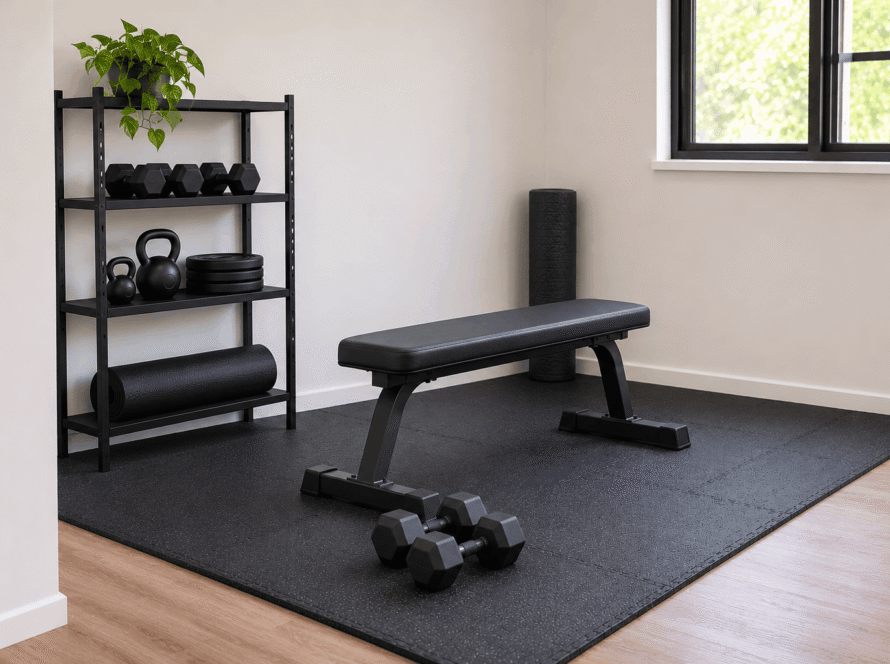
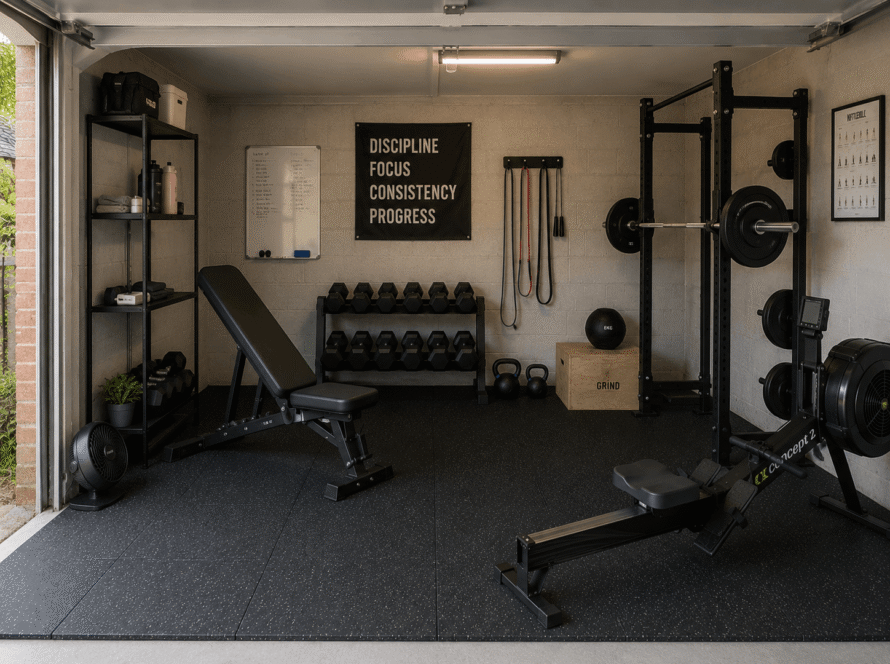
The good news is that quality rubber gym mats can last 10 years or more in a home gym, and often much longer with proper care. Their lifespan depends on factors such as the quality of the rubber, how often they’re used, and how well they’re maintained.
If you’re investing in a home gym, here’s what you need to know.
How Long Do Rubber Gym Mats Last?
For a typical home gym, quality rubber gym mats can often provide 10–20 years of service, especially when they’re used for regular home workouts and looked after properly. Commercial gyms with constant heavy use may see faster wear because the flooring is exposed to far more foot traffic and repeated impacts every day.
The key word is quality.
Not all rubber gym mats are manufactured to the same standard, so lifespan can vary considerably between products.
What Affects the Lifespan of Rubber Gym Mats?
Several factors influence how long your flooring will last.
- Rubber Quality
Higher-density rubber generally offers better durability and is designed to withstand repeated use over many years.
Lower-quality mats may compress, wear, or lose their appearance more quickly under regular training.
- Thickness
Thicker rubber flooring provides more material to absorb impact over time.
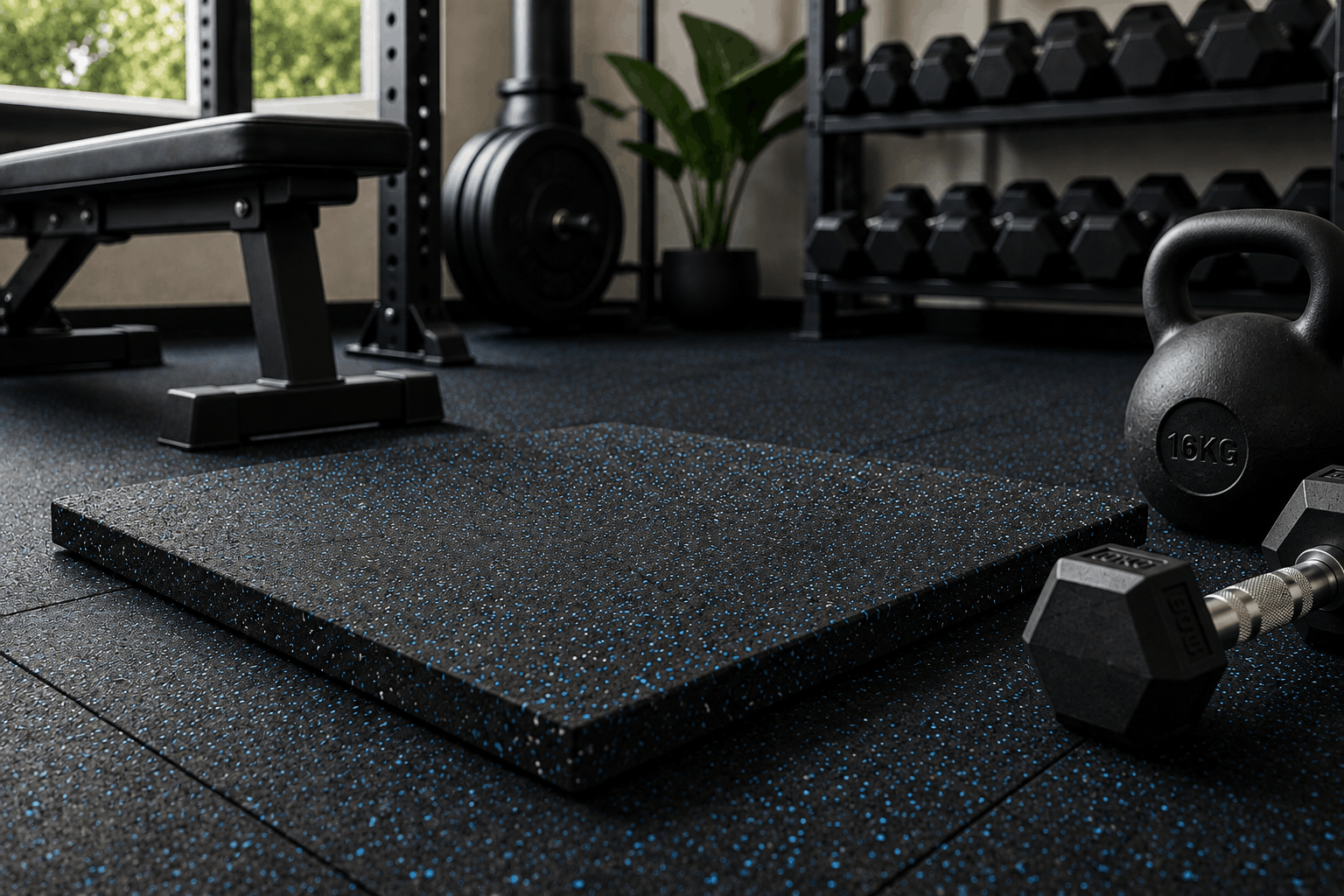
For most home gyms, 20mm rubber gym mats offer an excellent balance of floor protection, durability, and stability for strength training.
- How Often You Train
Someone lifting weights three times a week at home places far less stress on gym flooring than a commercial facility that’s busy from morning until night.
That’s one reason quality rubber flooring often lasts significantly longer in home gyms.
- Maintenance
Keeping your mats clean helps preserve both their appearance and performance.
Simple maintenance includes:
- Sweeping or vacuuming regularly
- Wiping away sweat and spills
- Using mild soap and water when needed
- Avoiding harsh chemicals that could damage the rubber
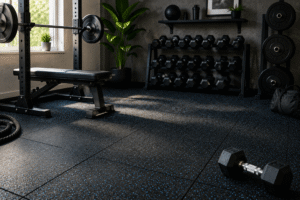
Signs Your Gym Mats Are Wearing Out
Quality rubber gym mats don’t suddenly fail overnight, but over time you may notice:
- Excessive surface wear
- Deep cuts or tears
- Permanent compression in high-use areas
- Reduced stability under heavy equipment
These signs generally appear much sooner on lower-quality flooring than on well-made rubber gym mats.
Are Rubber Gym Mats Worth the Investment?
If you’re building a home gym, rubber flooring isn’t something you should expect to replace every couple of years.
Quality rubber gym mats are designed to provide long-term protection for your floors while creating a stable surface for strength training.
When you spread the cost over many years of use, they can represent excellent long-term value compared with replacing cheaper flooring more frequently.
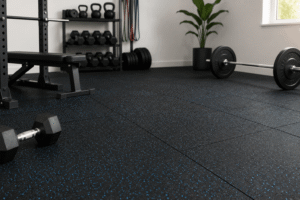
Ready for Flooring Built to Go the Distance?
Quality rubber gym mats are an investment in your home gym, and with the right care, they’re built to provide years of reliable performance.
Our 20mm rubber gym mats feature an anti-slip surface, are designed to help reduce noise and vibration, and are CE certified, built to handle real training, not just sit there and hope for the best.